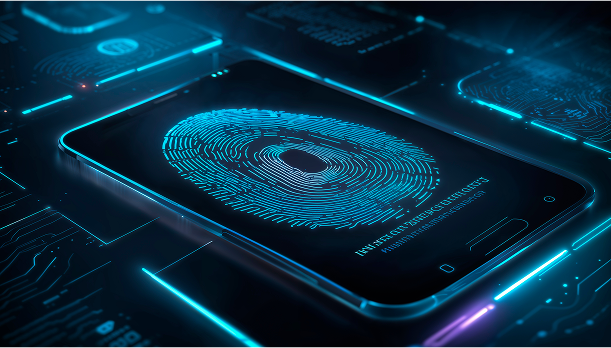
Biometric Solutions

Strengthen identity assurance with biometric systems designed for secure, accurate, and convenient verification.

What are Biometric Solutions?-img

What are Biometric Solutions?


Biometric solutions verify identity using distinctive human characteristics such as fingerprints, facial features, iris patterns, or voice. They can support secure access, workforce authentication, customer onboarding, and high-risk transaction approval while reducing dependence on passwords, cards, and other credentials that can be lost or shared.

Why your organization needs Biometric Solutions?


Biometric verification strengthens identity assurance by linking access decisions to the person presenting the credential. It can reduce credential sharing, improve user convenience, and add stronger protection to sensitive locations and digital workflows.

Effective deployment also requires privacy-led enrolment, liveness detection, secure biometric template storage, and appropriate fallback procedures.

  • Improve Identity Assurance

    Biometric checks connect an access decision to a verified individual.

  • Reduce Credential Sharing

    Unique physical characteristics are more difficult to lend or transfer than cards and passwords.

  • Create Faster User Journeys

    Well-designed verification can reduce friction during entry, login, and approval.

  • Protect High-Risk Actions

    Step-up biometric checks can secure sensitive systems and transactions.

  • Support Passwordless Access

    Biometrics can form part of a phishing-resistant authentication strategy.

  • Strengthen Audit Evidence

    Verified identity events improve accountability and investigation records.

  • Meet Privacy Expectations

    Controlled enrolment and template protection support responsible biometric use.

Common vulnerability-img

Common vulnerability


Biometric systems introduce risks around spoofing, liveness checks, template storage, privacy, and fallback authentication. We test the capture device, matching workflow, supporting applications, and administrative controls as one connected identity system.

Biometric Template Exposure

Risk: Stored facial, fingerprint, or voice templates cannot be safely replaced if compromised.

Testing: We assess encryption, segregation, access permissions, retention, and deletion controls.

Weak Liveness Detection

Risk: Images, recordings, masks, or synthetic media may be accepted as a live person.

Testing: We evaluate presentation-attack detection and the handling of uncertain or failed checks.

Unsecured Communication

Risk: Capture or matching data may be intercepted between sensors, applications, and servers.

Testing: We test transport encryption, certificate validation, replay resistance, and API security.

Weak Fallback Authentication

Risk: A less secure recovery path can bypass the stronger biometric control.

Testing: We review backup factors, help-desk processes, exception handling, and identity recovery.

Insecure Administration

Risk: Exposed management accounts can alter thresholds, enrol identities, or export data.

Testing: We assess privileged access, MFA, role separation, logging, and approval controls.

Privacy Misconfiguration

Risk: Excessive collection or retention may expose sensitive personal data and create compliance risk.

Testing: We review consent, purpose limitation, retention, deletion, and data minimisation settings.

Our approach-img

Our approach


Our biometric approach balances security, accuracy, privacy, and user experience. We review the intended use, test enrolment and matching controls, and validate how the solution responds to spoofing, exceptions, and system failure.

Use-Case and Enrolment Assessment

We define assurance needs, user groups, environmental conditions, consent, and enrolment quality requirements.

The review identifies where biometric verification is appropriate and where another factor is required.

Matching and Liveness Validation

We test capture quality, matching thresholds, presentation-attack detection, and failure handling.

Checks cover expected users, edge cases, environmental variation, and controlled spoofing scenarios.

Privacy and Security Integration

We assess template protection, APIs, administration, logging, retention, and recovery workflows.

Recommendations improve resilience while preserving clear, accessible user journeys.

Get a quick quote

Our Clients


Frequently Asked Questions


  • Identify Vulnerabilities Before Intruders Do

    Regular assessments identify weak credentials, exposed devices, and configuration gaps before they can be used to gain unauthorized access.

  • Comply with Regulatory Requirements

    Documented controls, access records, and retention policies help demonstrate compliance with privacy, safety, and industry requirements.

  • Enhance Your Security Posture

    Layered physical and digital controls reduce the number of ways an attacker can reach people, premises, systems, and sensitive information.

  • Protect Your Reputation

    Reliable controls and clear audit evidence help prevent incidents that could damage customer confidence and business relationships.

  • Stay Ahead of Evolving Threats

    Routine monitoring, testing, and maintenance keep security measures effective as attack techniques and operational needs change.

  • Test Incident Response Capabilities

    Exercises confirm that alerts, escalation routes, and recovery procedures work when a real security event occurs.

  • Make a Cost-Effective Security Investment

    Risk-led planning prioritises the controls that reduce the greatest exposure without adding unnecessary operational complexity.

Get in touch with our experts to discuss your needs

Hagion cybersecurity experts discussing an incident