Risk Assessment First
We identify vulnerabilities across systems, networks, and applications to uncover where institutions are most at risk.

In a sector frequently targeted by cybercriminals, are you taking the right steps to protect your organisation?
Education organisations rely on connected learning platforms, cloud services, endpoints, and campus networks. A security assessment identifies weaknesses before they disrupt teaching, expose personal data, or undermine trust.
Our education security approach examines how identities, data, devices, applications, and third-party platforms are protected. Findings are translated into practical priorities aligned with GDPR, PCI DSS, and the organisation’s operational needs.
Cybersecurity in education protects students, staff, research, and learning systems from threats such as ransomware, phishing, data theft, and unauthorised access.
Education environments are uniquely complex: they support varied users and devices, open collaboration, remote access, and a growing number of third-party services. Effective security must protect these environments without creating unnecessary barriers to learning.
A strong programme combines clear governance, secure technology, continuous monitoring, and practical awareness training so institutions can remain resilient as threats evolve.
Managing sensitive student data, protecting valuable research, and ensuring uninterrupted digital learning are constant pressures for education providers.
At Hagion, we understand that every educational institution faces unique challenges. From protecting sensitive student data to securing valuable research and ensuring uninterrupted digital learning, our approach is designed to balance security with usability, helping schools, colleges, and universities build resilience without disrupting academic goals.
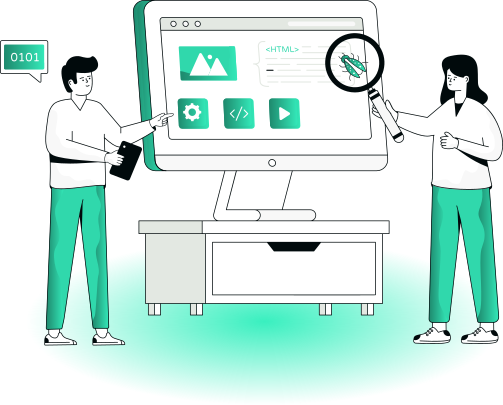
We identify vulnerabilities across systems, networks, and applications to uncover where institutions are most at risk.
Solutions are designed around each institution’s needs, ensuring compliance while supporting teaching and research.
We provide real-time visibility into threats and risks, supporting proactive detection and rapid response.
Asking the right questions is the first step toward building a stronger cyber defence.
Education institutions handle some of the most sensitive data—from student records and financial details to ground-breaking research. Meeting compliance standards is not just a legal obligation, but also a critical step in maintaining trust with students, parents, staff, and partners.
A structured security assessment reveals weaknesses across identities, devices, networks, and applications before attackers can exploit them.
Prioritised recommendations help education teams strengthen controls without disrupting teaching, research, or administration.
Continuous monitoring and regular reviews keep defences aligned with changing technology and attacker behaviour.
Risk-based planning directs available budget toward the issues that matter most to the institution.
Clear evidence and practical controls support obligations under GDPR, PCI DSS, and other relevant standards.
Stronger protection for sensitive information helps maintain confidence among students, parents, staff, and partners.
Exercises and response reviews help teams understand their roles and act quickly during a security incident.